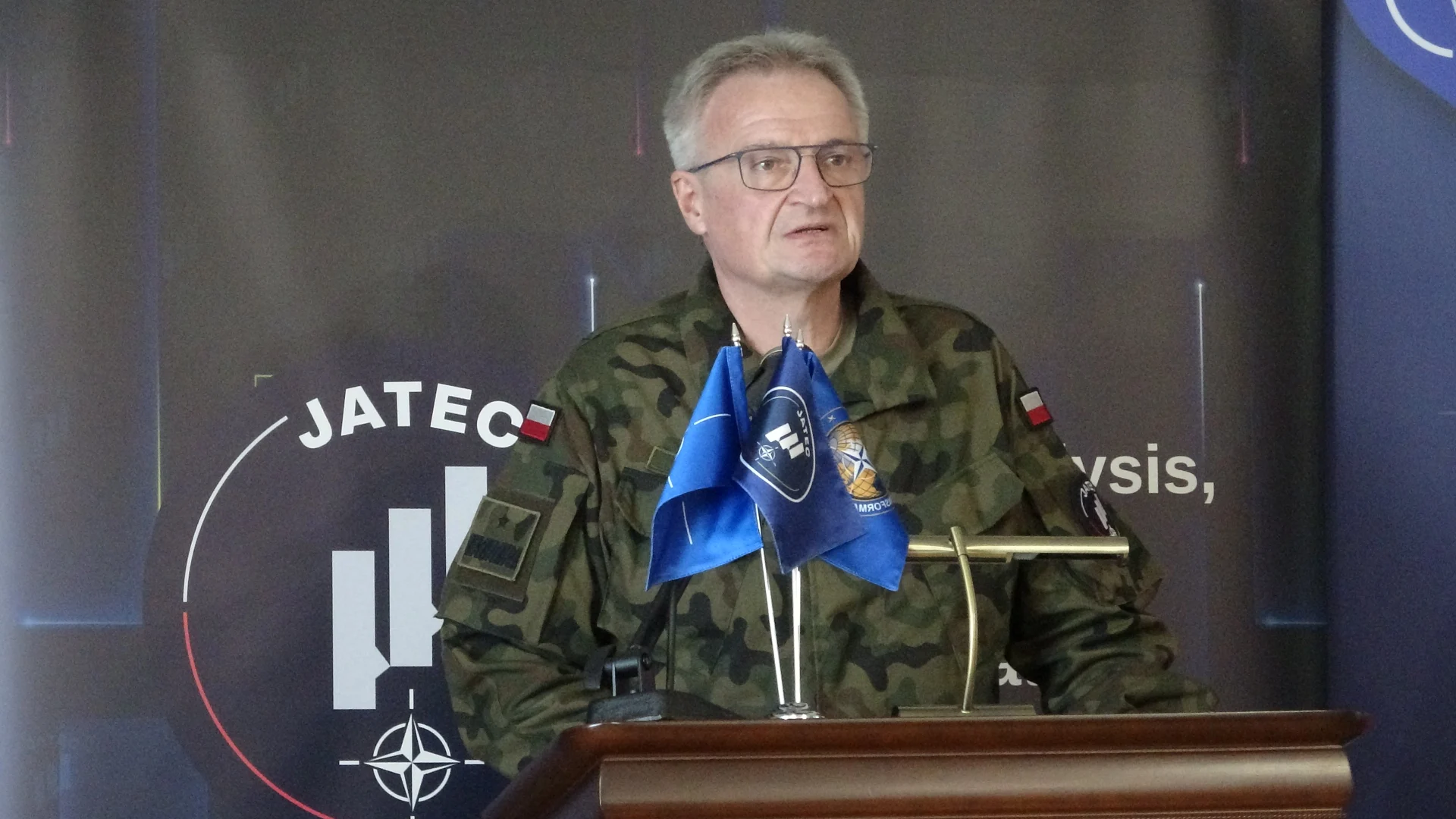
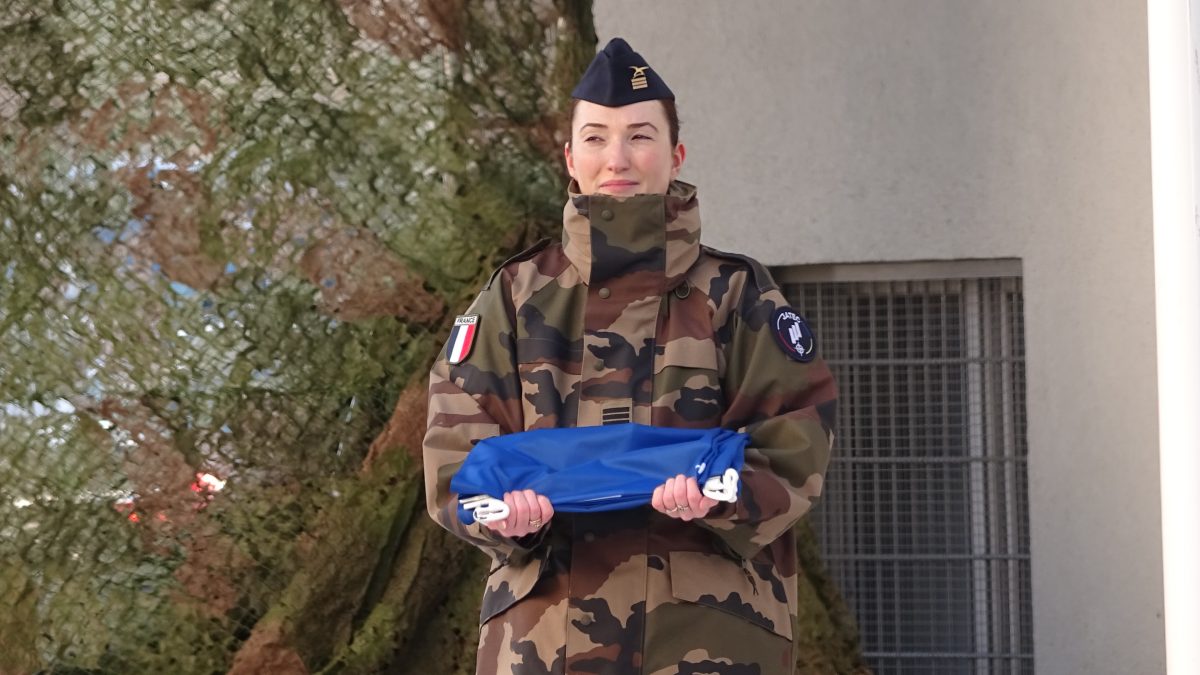
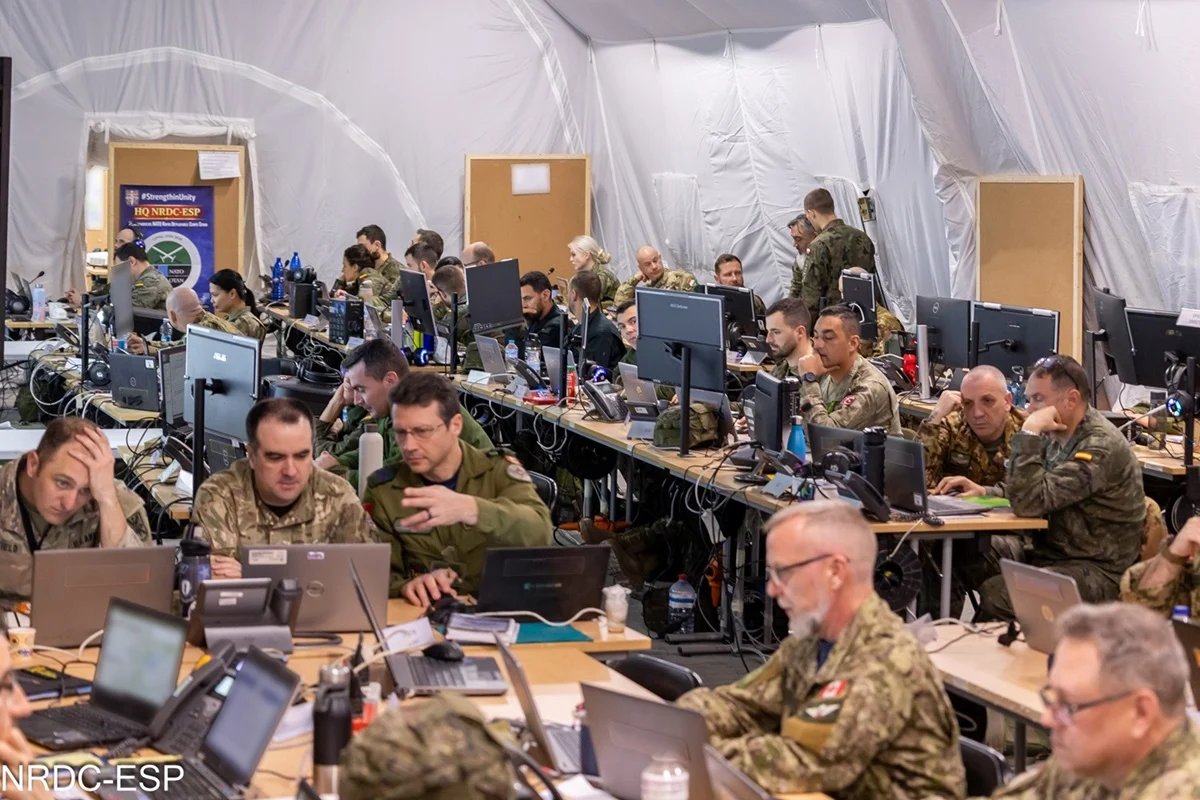
The NATO–Ukraine Joint Analysis, Training and Education Centre (JATEC) was officially inaugurated in February 2025. Eighteen months later, the Deputy Chief of Staff to NATO’s Supreme Allied Commander Transformation, Lieutenant General Marcus Annibale, described the center, hosted in Bydgoszcz, as fully operational. The details of JATEC’s activities were presented by its commander, Polish Brigadier General Wojciech Ozga.
“The ambitious idea of creating a joint NATO–Ukraine organization—a center dedicated to drawing lessons from the ongoing war against Ukraine and transforming those experiences into practical change—has become a functioning institution,” Brig. Gen. Wojciech Ozga said during an international press conference. “JATEC was established with a clearly defined purpose: to strengthen interoperability, support transformation, and collect lessons learned from the ongoing war against Ukraine in order to support NATO’s three core tasks: deterrence and defense, crisis prevention and management, and cooperative security.”
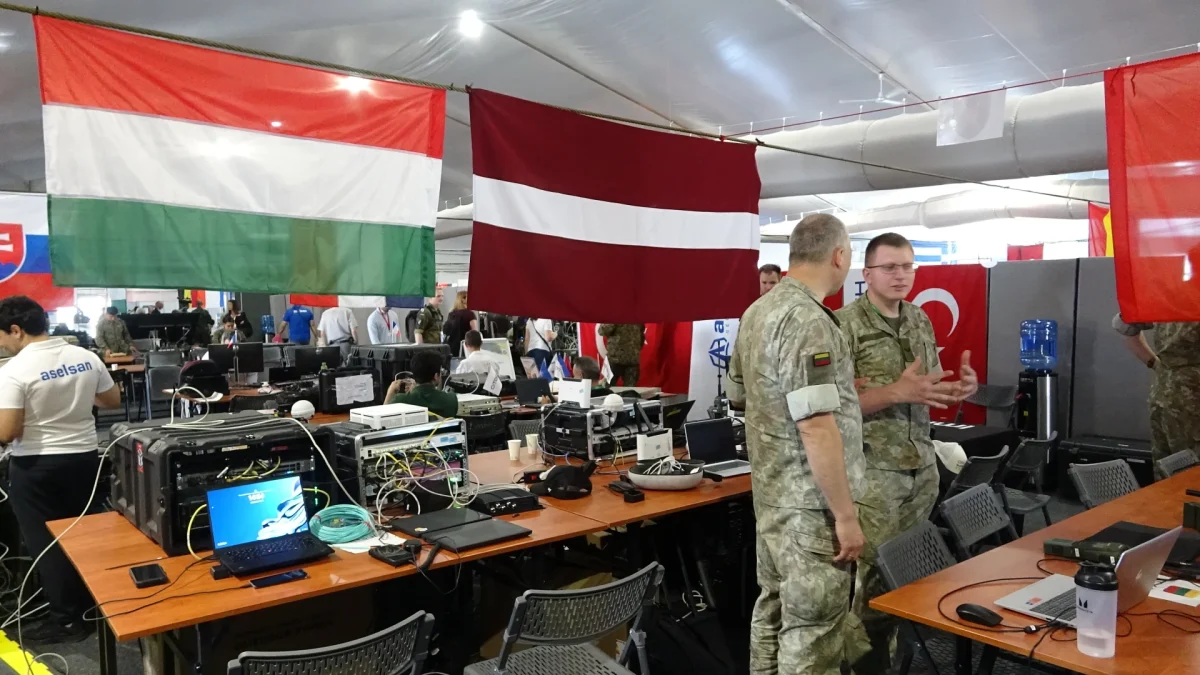
In Poland, relatively little is said on a daily basis about JATEC’s activities. Ukrainian and Western media, however, have been more active in reporting on its work. Recently, the Financial Times reported on a hybrid warfare simulation in which NATO and Ukrainian experts competed against one another. JATEC has also been involved in hackathons during which European companies developed solutions to challenges identified on the Ukrainian battlefield. Through these efforts, solutions were found for issues such as fiber-optic-controlled drones and GAB3-type bombs. As Portal Kujawski, we strive to keep our readers informed about these activities on an ongoing basis.
“We did not inherit a ready-made organization. We built it from the ground up. We created a joint NATO–Ukraine organization by establishing new structures, new processes, new relationships, and a new way of cooperation,” Gen. Ozga explained, referring to the organizational challenges. “Creating a new international organization is never easy. Creating a joint NATO–Ukraine organization within NATO’s command structure while simultaneously delivering valuable results from the very beginning is an even greater challenge. It required trust, perseverance, flexibility, and a willingness to build the organization while it was already operating.”
The JATEC commander also referred to the rapidly changing nature of modern conflict:
“We are witnessing how quickly modern warfare is evolving—both in military and civilian dimensions. Today’s battles are less about possessing the most advanced technology and more about finding innovative solutions, adapting rapidly, and implementing change effectively.”
Od 2009 roku związany z lokalnymi mediami. Specjalizuje się w tematach dotyczących infrastruktury, polityki regionalnej oraz funkcjonowaniu samorządów.
Używamy informacji zapisanych za pomocą plików cookies w celu zapewnienia maksymalnej wygody w korzystaniu z naszego serwisu. Mogą też korzystać z nich współpracujące z nami firmy badawcze oraz reklamowe. Jeżeli wyrażasz zgodę na zapisywanie informacji zawartej w cookies kliknij na ,,Akceptuj wszystko". Jeśli nie wyrażasz zgody, ustawienia dotyczące plików cookies możesz zmienić w swojej przeglądarce.
Necessary cookies are absolutely essential for the website to function properly. These cookies ensure basic functionalities and security features of the website, anonymously.
Cookie
Duration
Description
cookielawinfo-checkbox-analytics
11 months
This cookie is set by GDPR Cookie Consent plugin. The cookie is used to store the user consent for the cookies in the category "Analytics".
cookielawinfo-checkbox-functional
11 months
The cookie is set by GDPR cookie consent to record the user consent for the cookies in the category "Functional".
cookielawinfo-checkbox-necessary
11 months
This cookie is set by GDPR Cookie Consent plugin. The cookies is used to store the user consent for the cookies in the category "Necessary".
cookielawinfo-checkbox-others
11 months
This cookie is set by GDPR Cookie Consent plugin. The cookie is used to store the user consent for the cookies in the category "Other.
cookielawinfo-checkbox-performance
11 months
This cookie is set by GDPR Cookie Consent plugin. The cookie is used to store the user consent for the cookies in the category "Performance".
viewed_cookie_policy
11 months
The cookie is set by the GDPR Cookie Consent plugin and is used to store whether or not user has consented to the use of cookies. It does not store any personal data.
Functional cookies help to perform certain functionalities like sharing the content of the website on social media platforms, collect feedbacks, and other third-party features.
Performance cookies are used to understand and analyze the key performance indexes of the website which helps in delivering a better user experience for the visitors.
Analytical cookies are used to understand how visitors interact with the website. These cookies help provide information on metrics the number of visitors, bounce rate, traffic source, etc.
Advertisement cookies are used to provide visitors with relevant ads and marketing campaigns. These cookies track visitors across websites and collect information to provide customized ads.