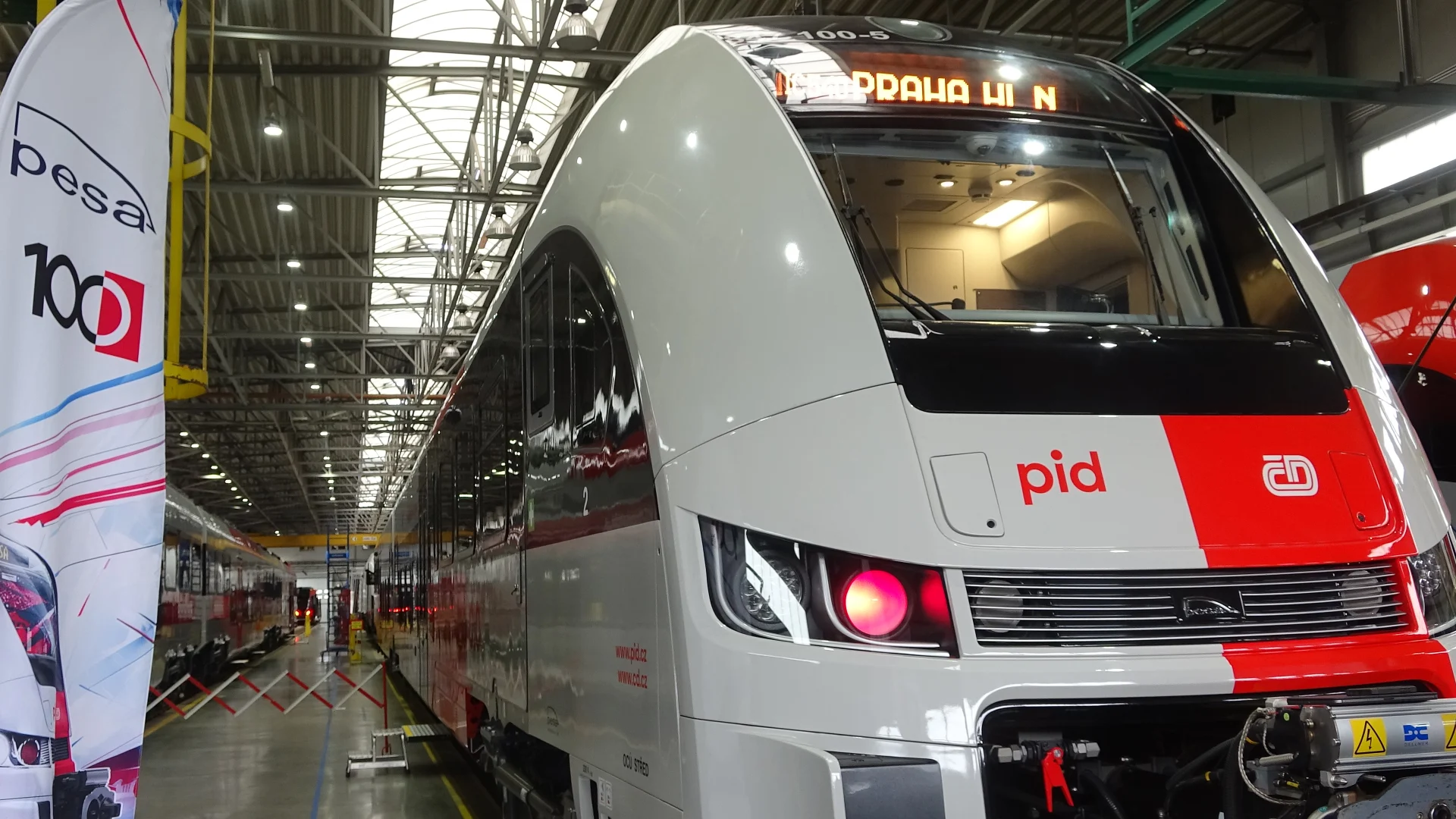
European Union policy assumes a gradual phase-out of diesel trains. In practice, this means significant difficulties in obtaining funding for new rolling stock powered by diesel engines. Meanwhile, the order from České dráhy placed with PESA Bydgoszcz shows that the reality may be quite different.
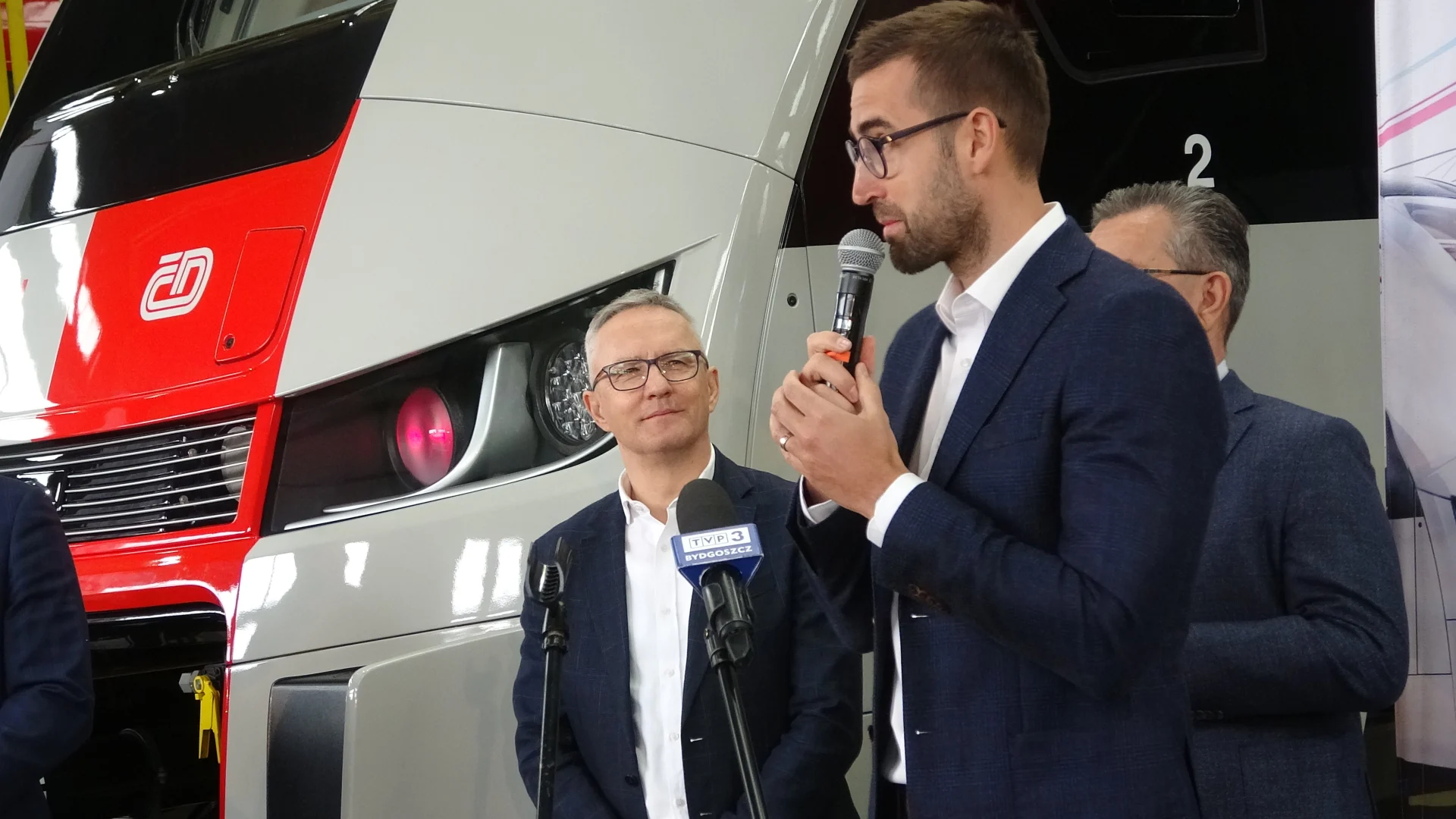
According to the CEO of the Czech national carrier České dráhy, Michał Krapinec, reports about the death of diesel in rail transport have been premature.
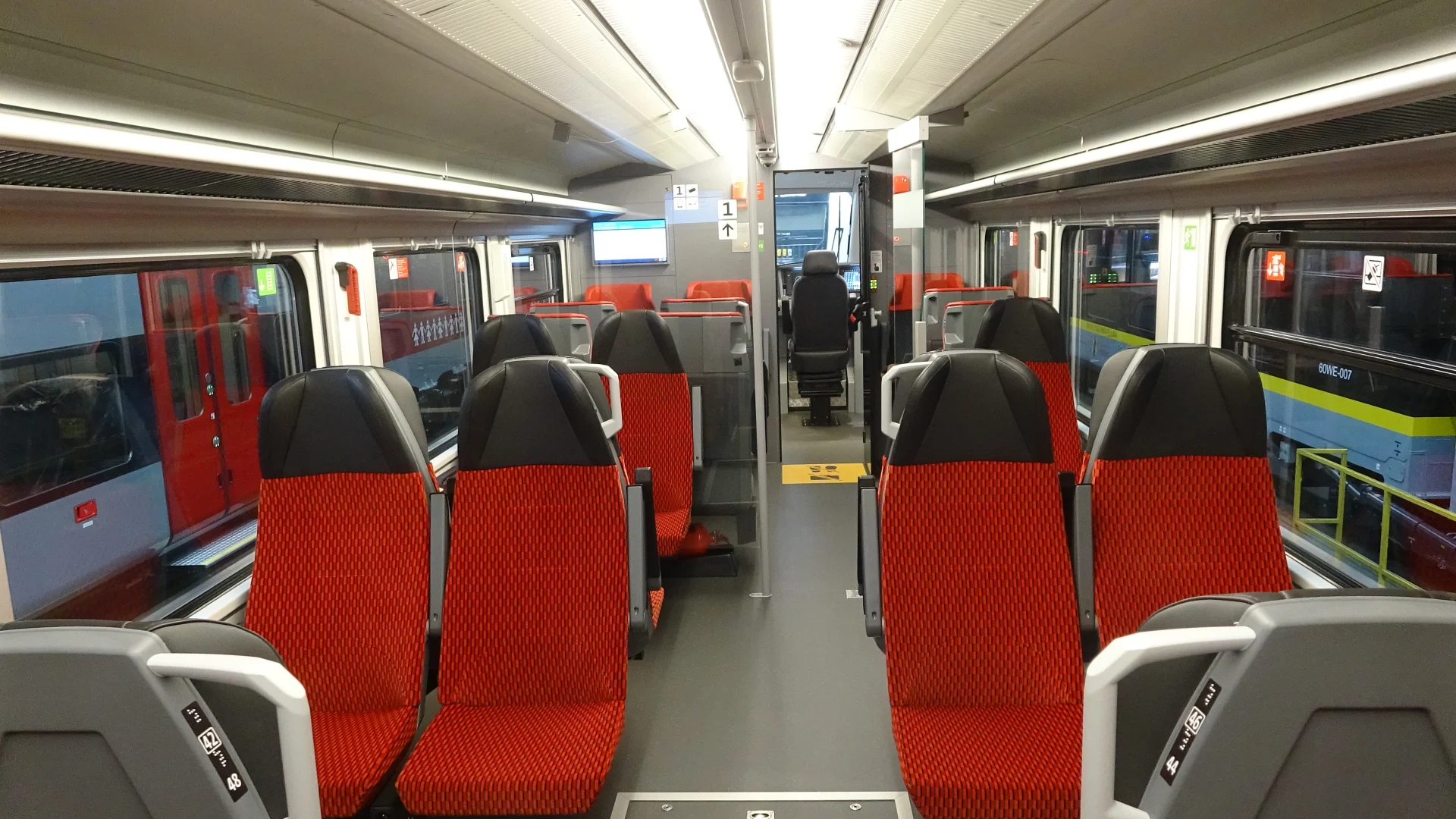
“We are the only manufacturer producing vehicles of this class with such low-emission Rolls-Royce engines in Europe, and possibly even in the world, as emission standards on other continents are less strict,” said PESA CEO Krzysztof Zdziarski with pride. PESA will deliver up to 160 LINK units (at least 106) to České dráhy. They are powered by Stage V diesel engines, which means very stringent environmental standards. The engines can also run on eco-diesel.

Diesel trains will not disappear quickly, as many lines are not electrified. There is great hope for replacing them with hydrogen or battery-powered rolling stock, an area in which PESA is also developing solutions. However, at present, these technologies are not yet widely available or affordable enough to replace the entire fleet within a few years.
“When we signed this contract during the pandemic, many were already announcing the end of diesel in rail. They claimed it was obsolete and that such vehicles would no longer be built. This train is surprising because it is highly environmentally friendly, equipped with a modern engine ready to run on HVO,” said České dráhy CEO Michał Krapinec, suggesting that diesel-powered trains will remain with us for a long time. “Along the way, PESA had to deal with challenges resulting from the pandemic and the war in Ukraine. Today, I am pleased that after five years we can stand next to the hundredth vehicle of this series and admire it. This is a vehicle intended for regional, non-electrified lines. Today it operates on Czech routes, but in the future, it is a vehicle that we will see running across Europe.”