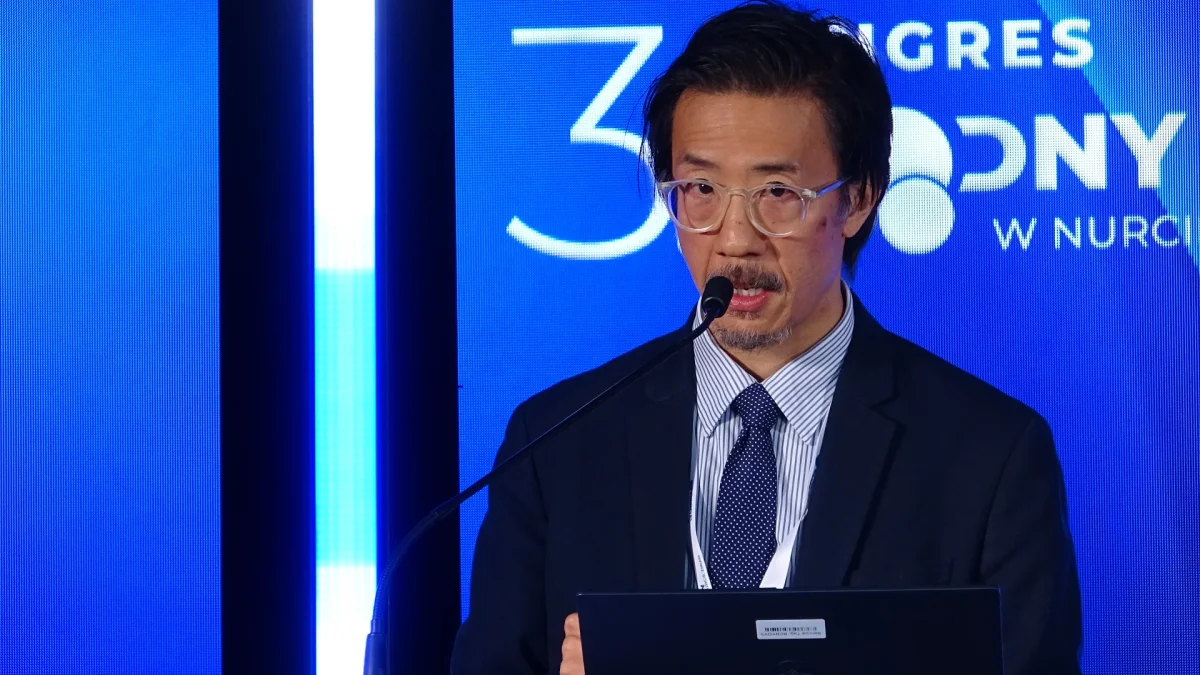
On May 29, the Architecture Festival, organized by Bydgoszcz University of Science and Technology, took place at the Waterworks Museum in the Gdański Forest. In the festival’s opening lecture, Professor Eugeniusz Skrzypczak of the University of the Arts Poznań referred to the Polish Architecture Congress, which had been held just two weeks earlier, and spoke about the role architects can play in preventing the depopulation of smaller towns.
“By raising the standards of our buildings, we have a chance to encourage some of these people to stay. It can help young people find their place there—or return to their hometowns,” Professor Skrzypczak said, referring to one of the key themes discussed during the congress.

It is commonly believed that a place’s attractiveness as somewhere to live depends primarily on economic factors, especially the availability of well-paid jobs. However, Professor Skrzypczak argues that the aesthetics of the built environment are equally important.
“It is natural for people to have different opinions about beauty, since beauty is often considered subjective. But prestige—or the desire for prestige—and identifying with one’s home are deeply rooted human needs. If our home provides us with positive value and evokes good associations, it also contributes to our sense of well-being. As a result, the importance and status of that home, of our own place, become greater. It’s a simple mechanism,” he explained.
The professor emphasized that opening up to architects is crucial for smaller municipalities.
“Architects and urban planners are professionally trained for this role. Just as doctors treat people, architects and urban planners should be involved in shaping our living spaces. Yet, as I pointed out in my presentation, these professionals are often absent in smaller towns. Public procurement procedures rarely prioritize higher-quality solutions; instead, they tend to focus primarily on utility and practicality.”
In Bydgoszcz, Professor Skrzypczak cited architect Bartosz Jarosz of Poznań as a positive example, highlighting his involvement in the transformation of the town of Wieluń. It is also worth recalling that the third edition of the festival, organized by Bydgoszcz University of Science and Technology in 2025, was held in Koronowo, a smaller town facing many of these same challenges. Last year’s event focused on finding solutions specifically for Koronowo, and a mural was created as part of the festival.
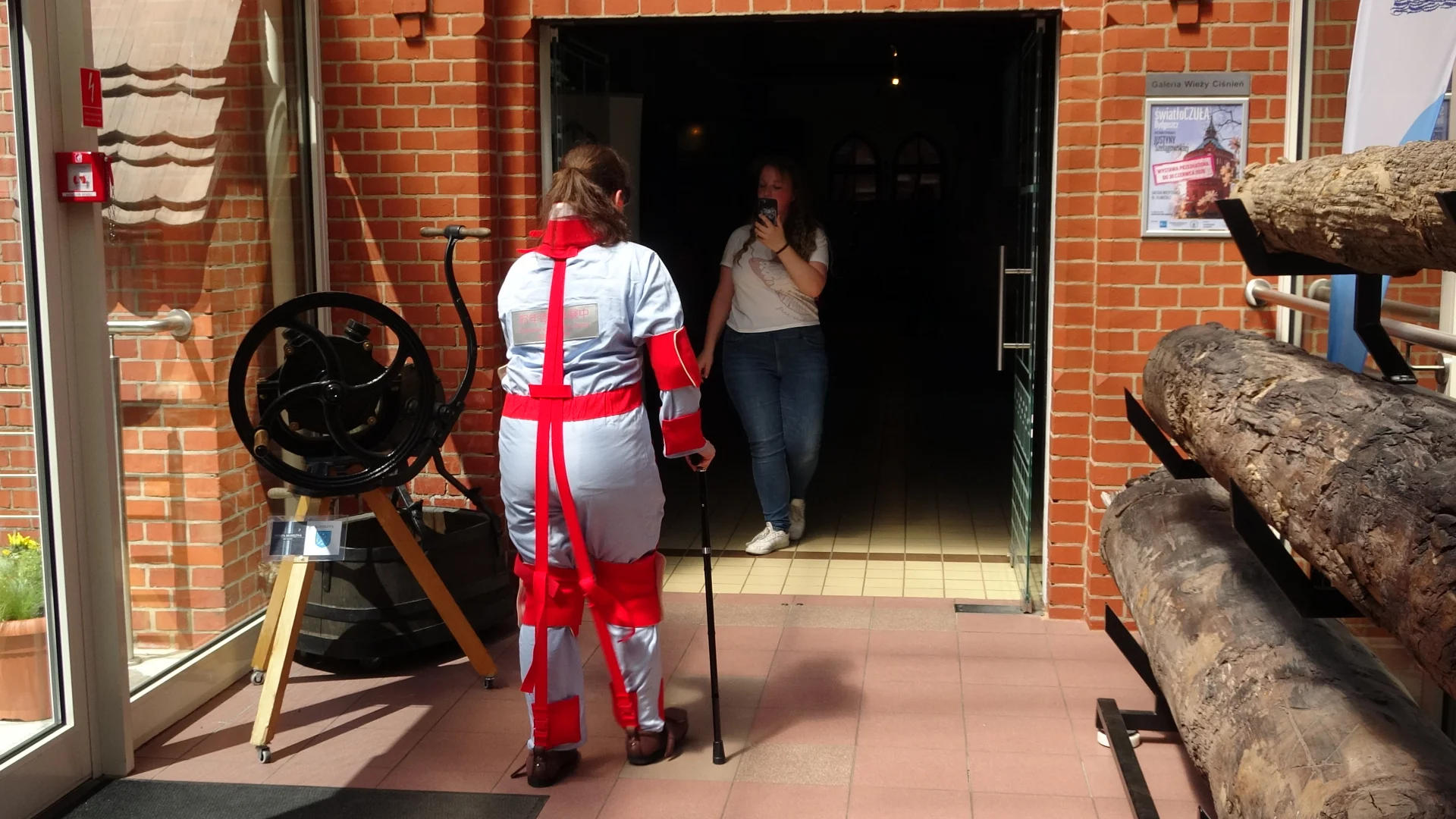
This year’s festival was aimed largely at students of architecture and urban planning. It also featured workshops in which students had the opportunity to experience everyday life from the perspective of a person with a physical disability or visual impairment. The goal was to demonstrate how the infrastructure designed by architects can significantly affect the comfort and accessibility of daily life for people with disabilities.
Od 2009 roku związany z lokalnymi mediami. Specjalizuje się w tematach dotyczących infrastruktury, polityki regionalnej oraz funkcjonowaniu samorządów.