The continued development of technology is inevitable, but it also raises concerns that sometimes resemble science-fiction films about machines rebelling against humanity. Such fears are emerging in the context of AI development. However, experts point out that the problems are already here: more than half of the content on the Polish internet is reportedly generated by machines, meaning that human creators are now in the minority. Meanwhile, AI can digitally undress people without their consent.
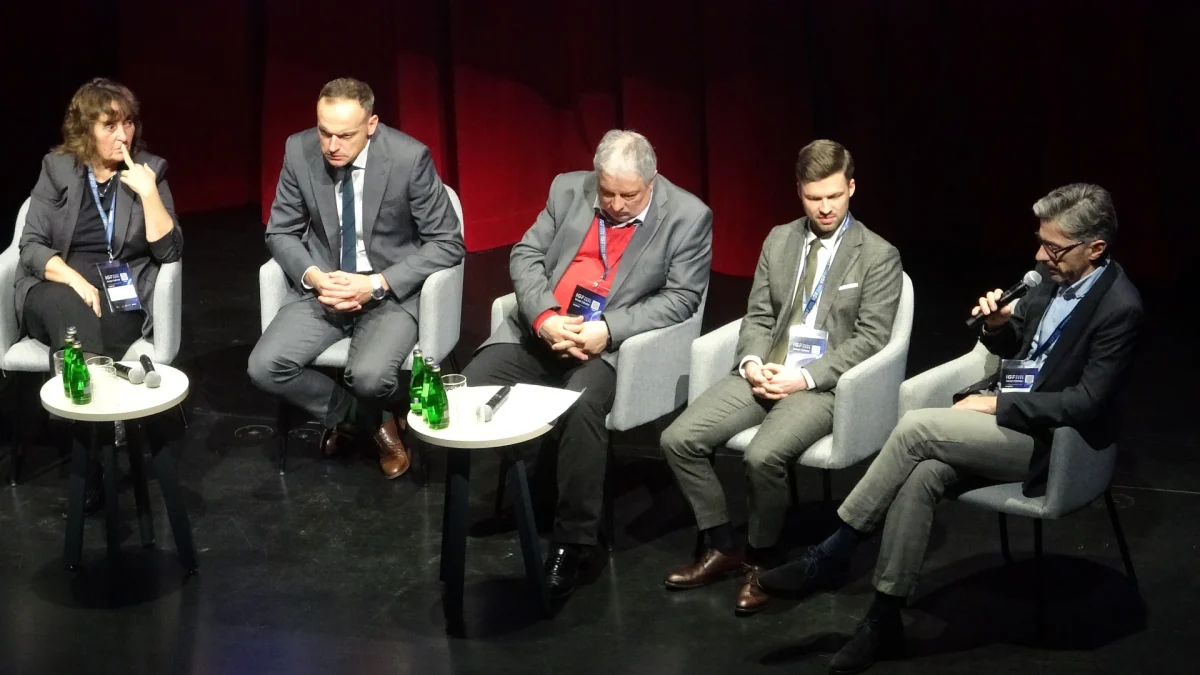
The question of what the future of the internet will look like was a central topic at the two-day IGF Poland Digital Summit, which concluded today at the campus of the Academy of Music in Bydgoszcz.
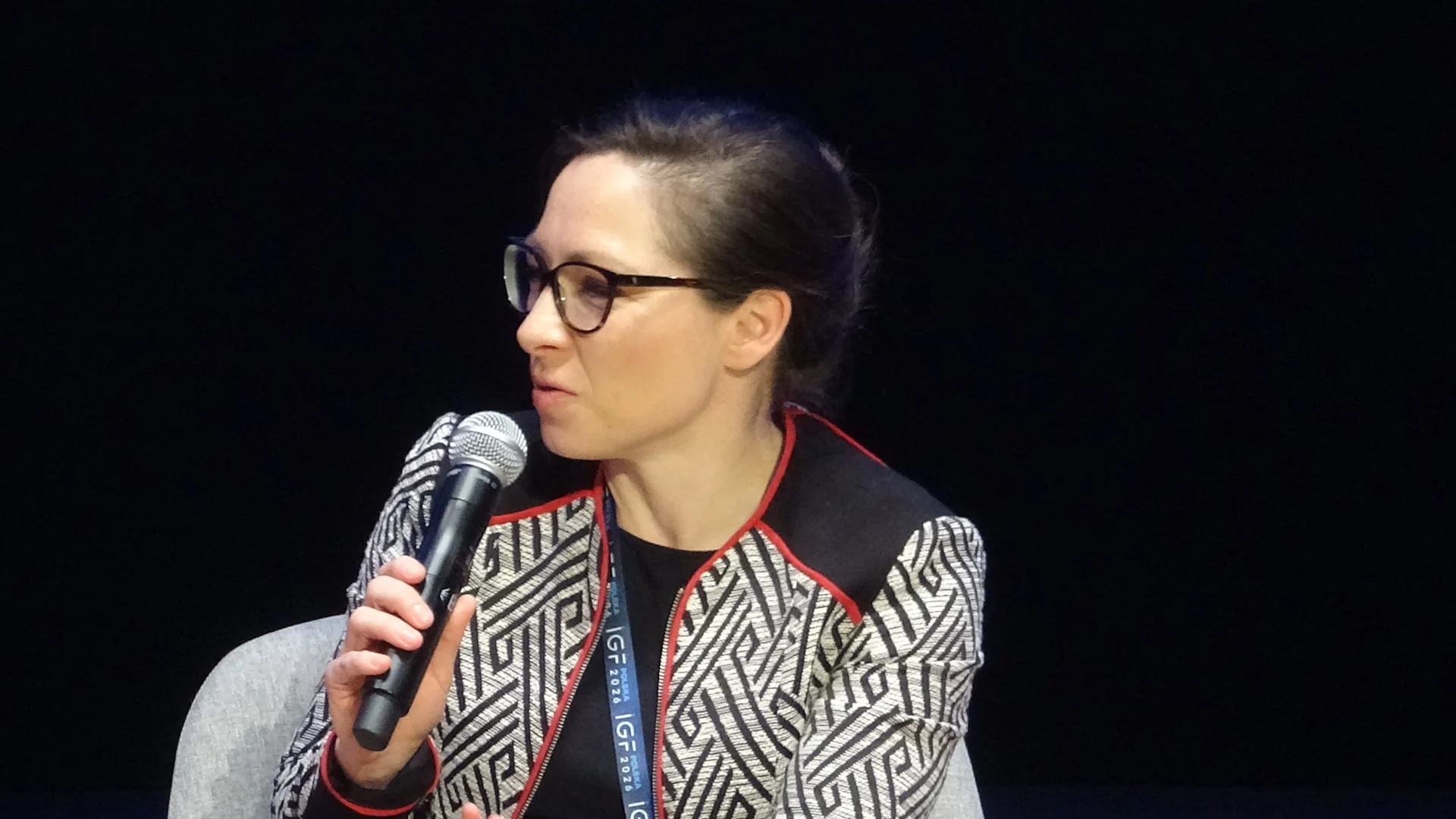
“We don’t need a Terminator, any kind of fearmongering, or an AI purism to acknowledge that there are risks associated with the technology developing alongside us. We don’t need to talk about the end of civilisation to recognise that we have a problem that needs to be regulated,” said Zuzanna Karcz of the Research and Innovation Department at the Ministry of Digital Affairs. She presented data indicating that as much as 53% of the content produced online is generated by AI.

She also referred to the European Commission’s proceedings concerning the AI model Grok, associated with the X platform, in connection with its generation of nude images of people based on their real photographs.
“The phenomenon of nudification, which has also occurred on this platform, means, in simple terms, digitally undressing people against their will,” Karcz explained.
The Future of (Anti-)Social Media
At the Polish IGF conference, held ahead of the global internet summit in Kenya, considerable criticism was directed at the most popular social media platforms. This ranged from the strong remarks of Deputy Prime Minister Krzysztof Gawkowski, who announced penalties for promoting scams and disinformation and criticised algorithmic censorship, to expert opinions suggesting that these platforms no longer serve the same purpose they once did and have largely become vehicles for advertising.
Facebook provides a clear example. Today, it has become an enormous advertising billboard, and users have to make a considerable effort to find posts about their friends. The platform also promotes highly emotional content. In a resolution, the European Parliament explicitly stated that social media companies had begun to polarise citizens in pursuit of greater profits.
As a result, one of the IGF panel discussions even referred to these platforms as “anti-social media”.
“Not to be confused with anti-social platforms such as X, Instagram, Facebook and TikTok today. These spaces exist, but using the internet differently requires skills and an awareness that you can go somewhere else online rather than simply tapping the app icon installed by your phone manufacturer,” said Katarzyna Szymielewicz of the Panoptykon Foundation.
In her view, platforms that once served a genuine social purpose have gradually disappeared.
“They have been pushed out and replaced by advertising spaces. But if we think of the internet as a galaxy, everything is there, and everything can exist,” she said.
Szymielewicz believes that initiatives seeking to build alternatives are emerging in Europe. One such initiative is the proposed European Eurosky project within the Bluesky network.
“I have the impression that investment in these kinds of spaces is beginning to grow in Europe, with more discussion about them and greater efforts to showcase them,” Szymielewicz concluded.
Od 2009 roku związany z lokalnymi mediami. Specjalizuje się w tematach dotyczących infrastruktury, polityki regionalnej oraz funkcjonowaniu samorządów.