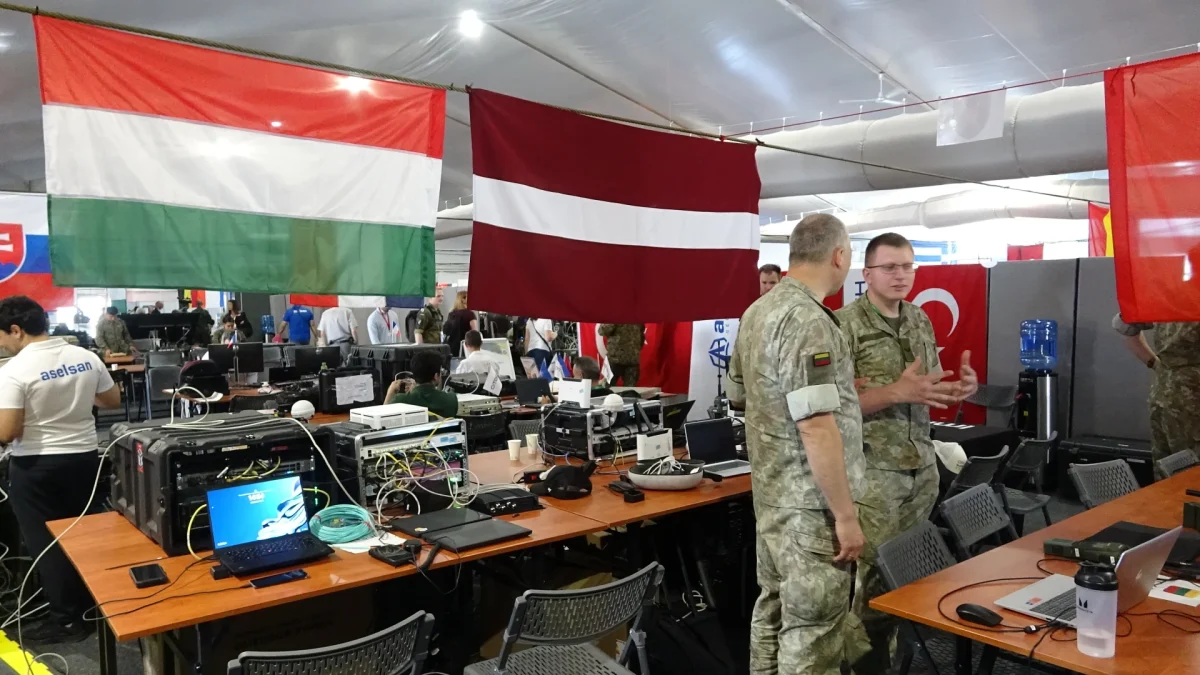
In the event of an attack on one of NATO’s member states, the remaining countries are obligated to come to its defense. Article 5 of the NATO treaty has been invoked only once in history—in 2001, following the terrorist attacks on the World Trade Center. However, there is still no practical experience in applying it in the context of a conventional war. The Loyal Leda 2026 exercise at the NATO Joint Force Training Centre was designed to address how to prepare for such a scenario.
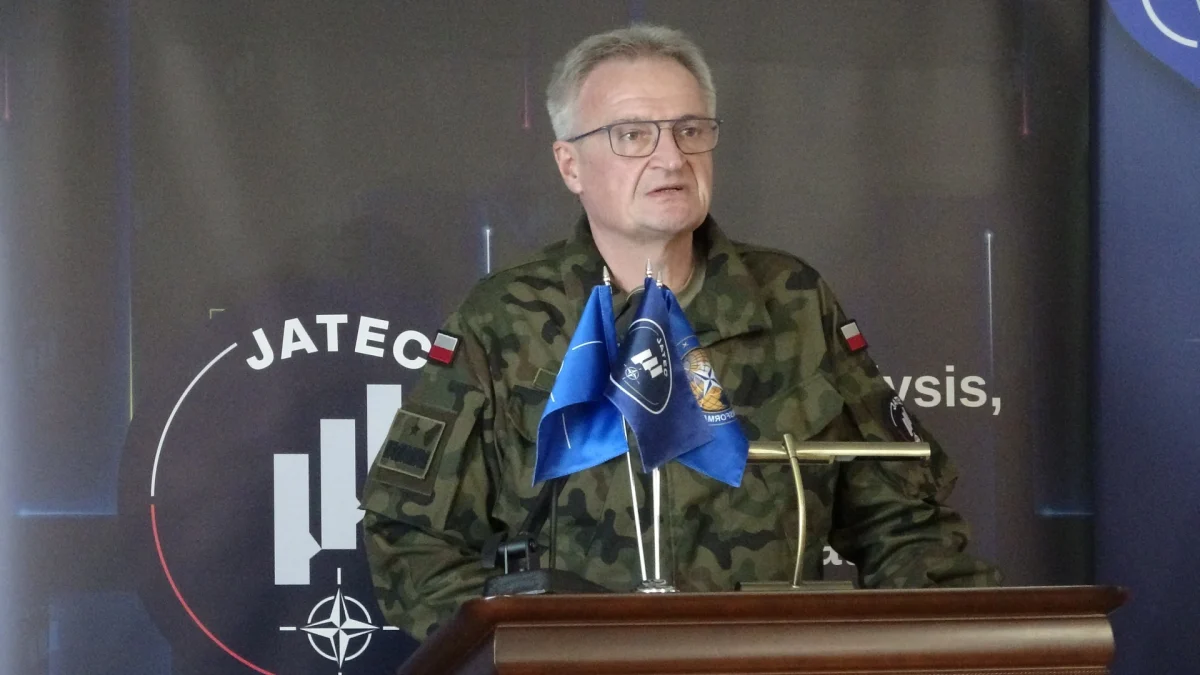
“Loyal Leda 2026 strengthened NATO’s readiness, our interoperability, and mutual trust,” assessed Major General Bogdan Rycerski, Commander of JFTC. Approximately 4,000 soldiers from nine countries participated in the exercise, along with around 1,000 civilian experts.
Commands from four corps took part. Two of them—the Multinational Corps Northeast (Szczecin, Poland) and the NATO Rapid Deployable Corps – Spain (Valencia, Spain)—successfully completed the exercise by passing the Combat Readiness Evaluation (CREVAL). The 1st German/Netherlands Corps (Münster, Germany) and the 2nd Polish Corps (Kraków, Poland) were trained to conduct operations beyond the scope of major joint operations. The JFTC, located in Bydgoszcz, served as the main coordinator of the exercise.
Fot: JFTC
On the website of NATO’s Allied Command Transformation, it was explicitly stated that the Loyal Leda 2026 scenario was based on the application of Article 5, meaning a potential act of aggression against NATO. The aim was to help verify procedures in the event of a threat and support NATO’s transformation so that the alliance remains adapted to current geopolitical challenges. However, the identity of the hypothetical aggressor was not disclosed. The exercise took place from March 3 to 12.
Używamy informacji zapisanych za pomocą plików cookies w celu zapewnienia maksymalnej wygody w korzystaniu z naszego serwisu. Mogą też korzystać z nich współpracujące z nami firmy badawcze oraz reklamowe. Jeżeli wyrażasz zgodę na zapisywanie informacji zawartej w cookies kliknij na ,,Akceptuj wszystko". Jeśli nie wyrażasz zgody, ustawienia dotyczące plików cookies możesz zmienić w swojej przeglądarce.
Necessary cookies are absolutely essential for the website to function properly. These cookies ensure basic functionalities and security features of the website, anonymously.
Cookie
Duration
Description
cookielawinfo-checkbox-analytics
11 months
This cookie is set by GDPR Cookie Consent plugin. The cookie is used to store the user consent for the cookies in the category "Analytics".
cookielawinfo-checkbox-functional
11 months
The cookie is set by GDPR cookie consent to record the user consent for the cookies in the category "Functional".
cookielawinfo-checkbox-necessary
11 months
This cookie is set by GDPR Cookie Consent plugin. The cookies is used to store the user consent for the cookies in the category "Necessary".
cookielawinfo-checkbox-others
11 months
This cookie is set by GDPR Cookie Consent plugin. The cookie is used to store the user consent for the cookies in the category "Other.
cookielawinfo-checkbox-performance
11 months
This cookie is set by GDPR Cookie Consent plugin. The cookie is used to store the user consent for the cookies in the category "Performance".
viewed_cookie_policy
11 months
The cookie is set by the GDPR Cookie Consent plugin and is used to store whether or not user has consented to the use of cookies. It does not store any personal data.
Functional cookies help to perform certain functionalities like sharing the content of the website on social media platforms, collect feedbacks, and other third-party features.
Performance cookies are used to understand and analyze the key performance indexes of the website which helps in delivering a better user experience for the visitors.
Analytical cookies are used to understand how visitors interact with the website. These cookies help provide information on metrics the number of visitors, bounce rate, traffic source, etc.
Advertisement cookies are used to provide visitors with relevant ads and marketing campaigns. These cookies track visitors across websites and collect information to provide customized ads.