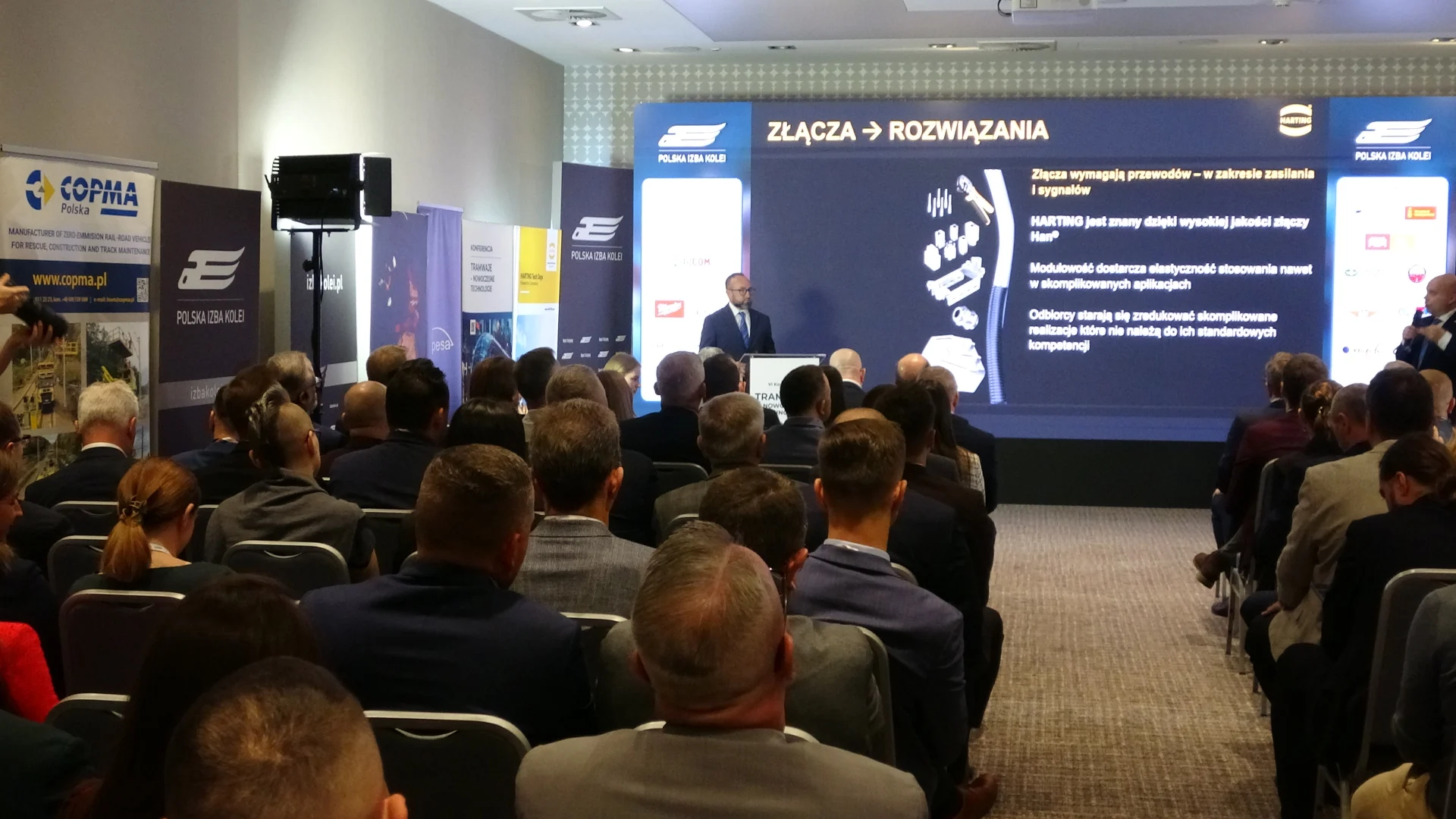
Six years ago, the first Tram Conference, organised on the initiative of the Polish Chamber of Railway Industry, attracted just around 30 participants, raising concerns about the future of the project. The sixth edition, which began today, has already drawn nearly 300 participants, showing that the initiative has ultimately proved successful. Five of the six editions have been held in Bydgoszcz, so it can be described as a distinctly Bydgoszcz-based conference.
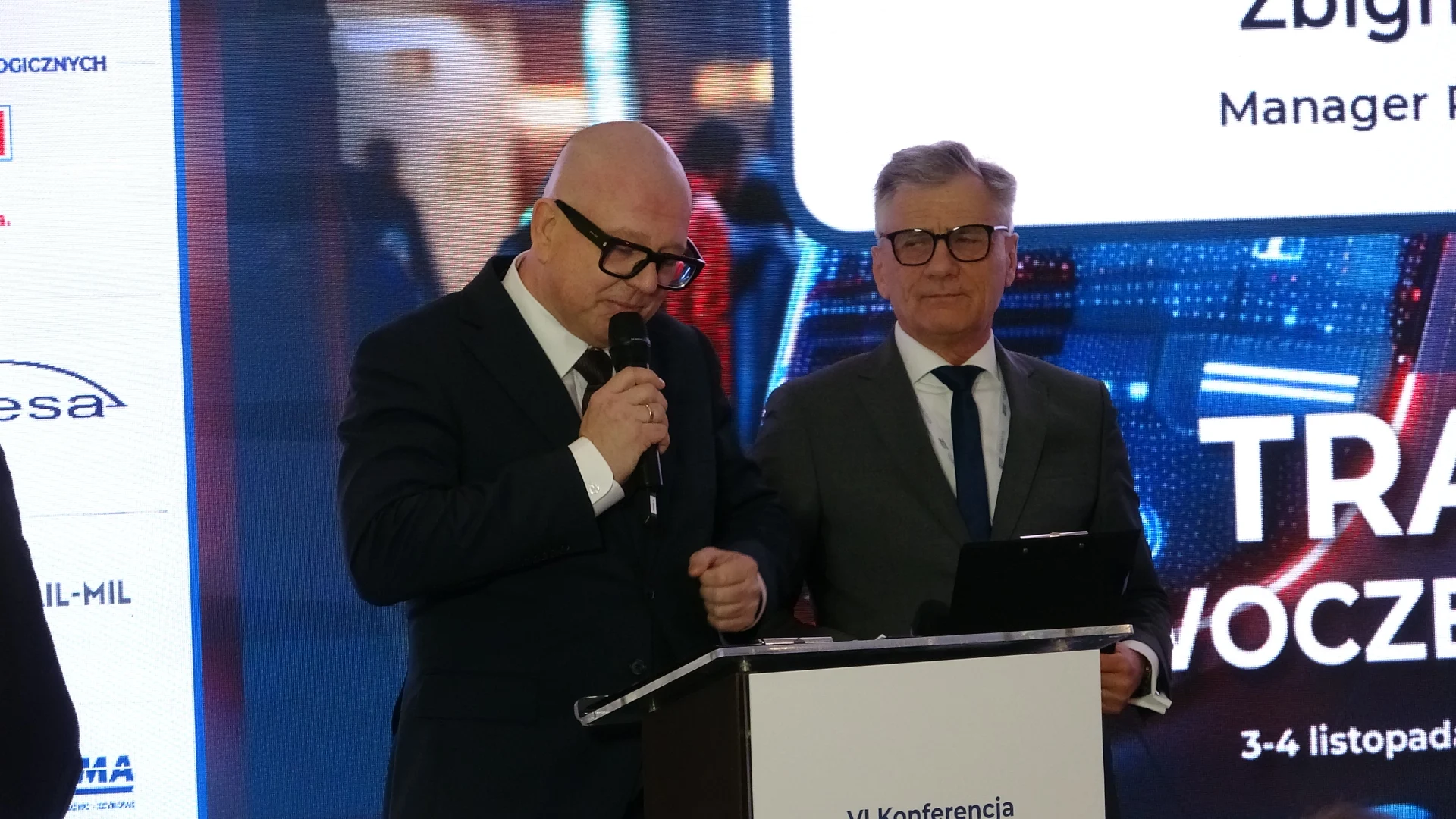
At the opening ceremony, Adam Musiał, Director General of the Polish Chamber of Railway Industry, whose headquarters are also located in Bydgoszcz, referred to the low attendance at the 2020 conference. He did so to illustrate how far the event has come.
“Gradually, this conference, which has become a Bydgoszcz event, as this is the fifth time it has been held in the city, has gained increasing trust and recognition among both people involved in the tram industry and public transport operators,” Director Adam Musiał told us.

The speakers include, on the one hand, rolling stock manufacturers and suppliers of infrastructure solutions, and, on the other, representatives of public transport authorities from Polish cities that operate tram networks. This year’s edition brings together representatives of 12 public transport authorities from across Poland.
“This is where the tram industry comes together and where we showcase modern technologies. We present solutions that support tram drivers, demonstrate rail grinding techniques, discuss how to build tram maintenance facilities and what technologies to use to ensure benefits for passengers.”
“The conference’s very name indicates that we will be discussing modern technologies, both in infrastructure — including the renovation of existing tram lines and the construction of new ones — and in the field of cybersecurity in tram vehicles,” emphasises Zbigniew Wiśniewski, who manages the Tram Conference on behalf of the Polish Chamber of Railway Industry.
Technological development has also made trams vulnerable to cyber threats.
“This is an extremely important challenge because passenger safety and the safety of their journeys are crucial considerations for city authorities and passengers themselves. There are numerous threats, especially as trams are increasingly becoming, one might say, computer-based systems or servers.”
PESA Offers Technological Upgrades
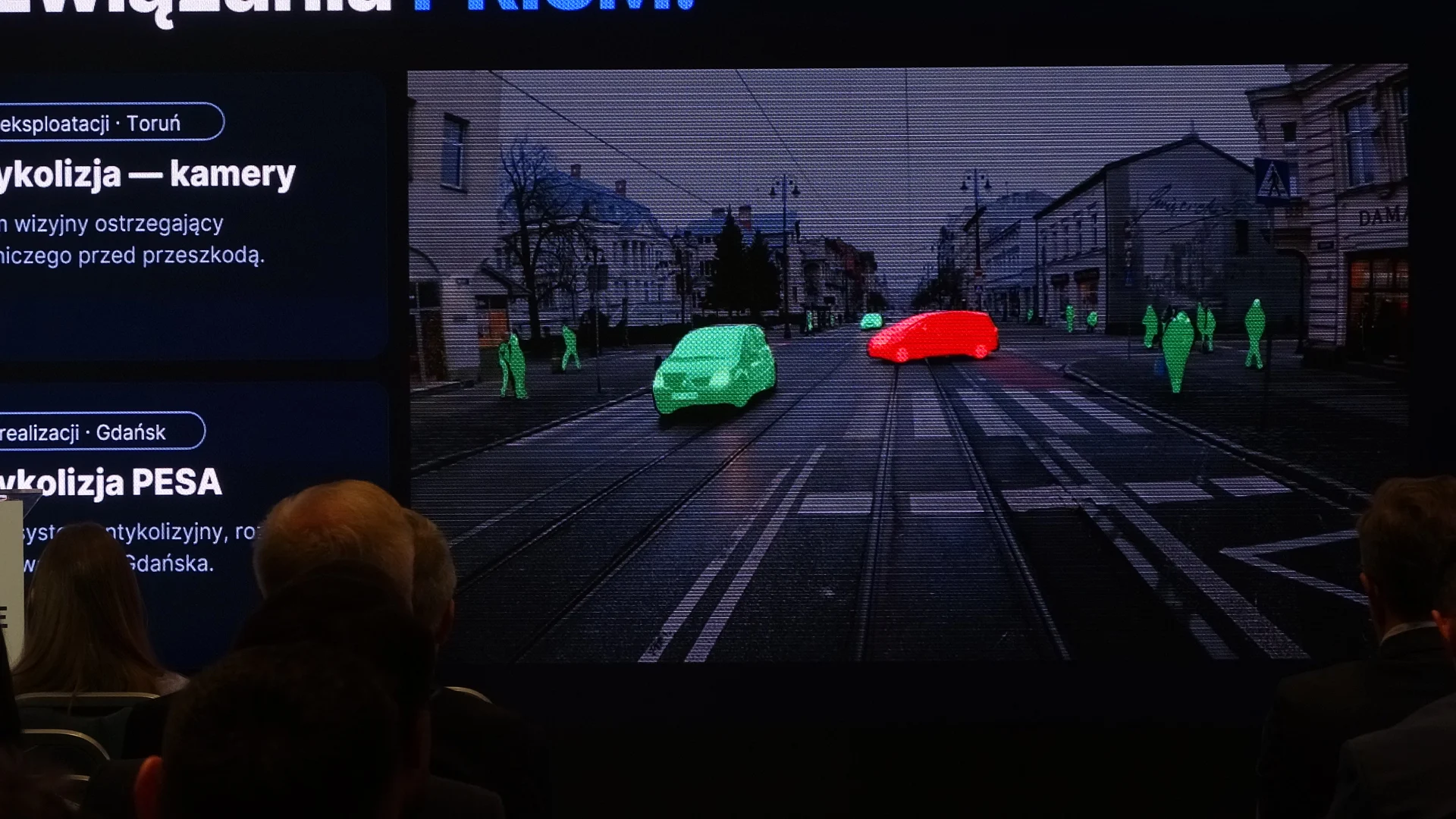
During his presentation, a representative of PESA Bydgoszcz highlighted the fact that the company has built more than a thousand trams and discussed new safety technologies that can be retrofitted to vehicles already in service. These solutions can help prevent collisions, even when a tram driver makes a mistake.
On the one hand, these include camera-based collision avoidance systems. On the other, radar systems have also been installed in trams in Toruń, providing additional collision protection.
The software allows the infrastructure manager to impose speed limits on specific sections of tram lines at designated times of the day. This ensures that trams cannot exceed the prescribed speed, for example when restrictions are introduced to reduce noise levels during nighttime hours.

Od 2009 roku związany z lokalnymi mediami. Specjalizuje się w tematach dotyczących infrastruktury, polityki regionalnej oraz funkcjonowaniu samorządów.